
How to use this website:
- Select your preferred language.
- Scroll down from the homepage to begin.
- Use the menu tabs at the bottom to move between sections.
- Click using the middle of the henna hand cursor
- Follow the ↓ scroll icon to continue exploring each section.
Setting the Scene
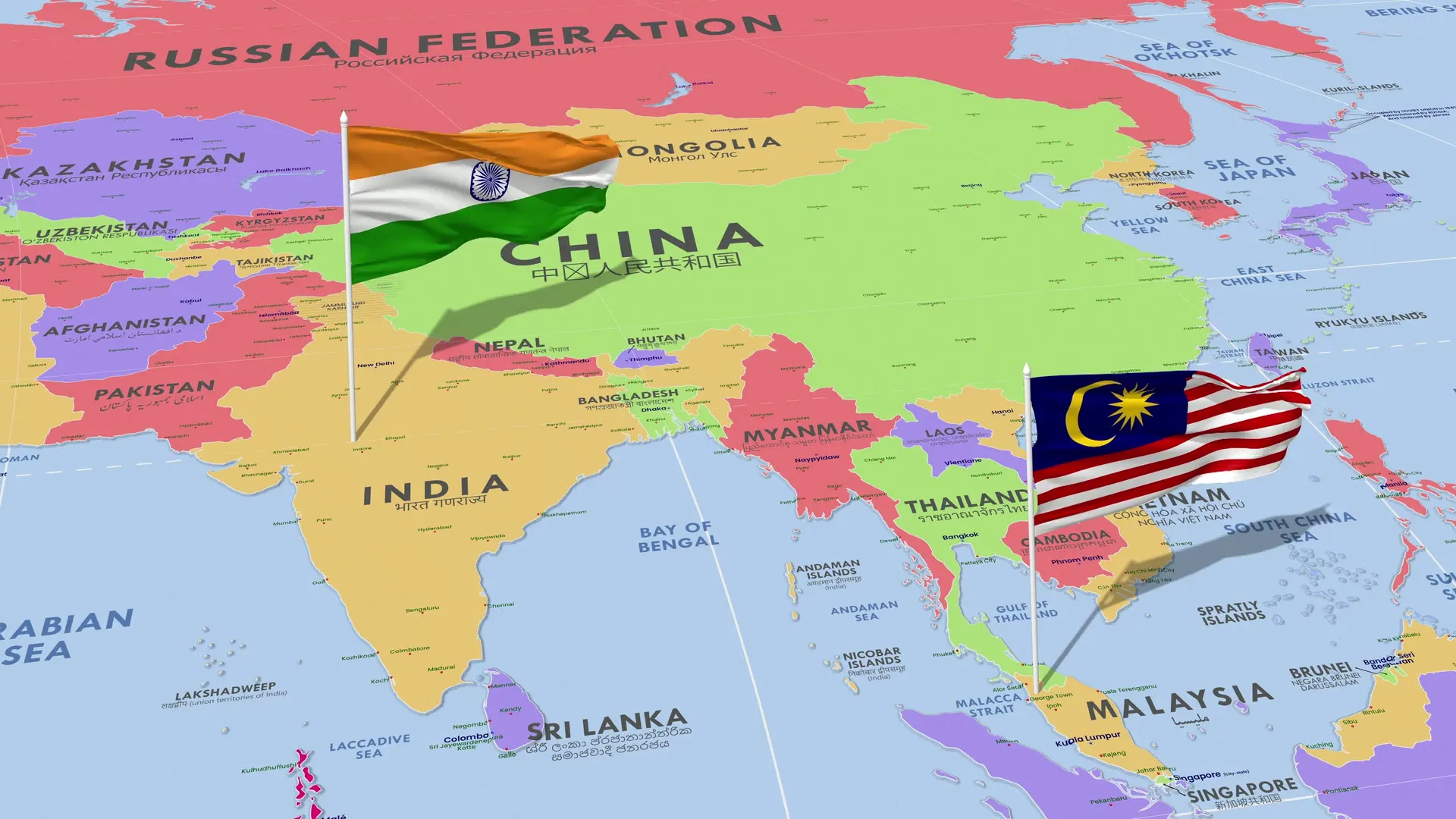
Whilst South Indian traders have been known to trade in the region for 1500 years prior to European colonisation (Arasaratnam, 1970) and different European and Japanese colonial governments have occupied the land and ruled its people in the last 400 years, British colonial administrators led the migration of poor labourers from various South Indian states to what was known as Malaya from 1842 till 1917. The project explores empirically how different generations of urban poor Malaysian Indian women experience how coloniality manifests today.
Colonial legacies are not just part of the past — they shape daily life today.
This section pairs historical photographs and records with present-day images and voices, revealing how much has changed, and how much remains the same.
Design Note: The Hand Motif
The hand is used as a visual anchor in this section. In Indian palm reading, the life line is often marked to signify different phases of a person’s life. Here, five dots are placed along the life line to symbolise five key historical periods, moving from colonial rule through to present-day Malaysia. This device bridges cultural symbolism with the timeline of Malaysian-Indian experiences, making the passage of time tangible and rooted in lived traditions.
The hand is used as a visual anchor in this section. In Indian palm reading, the life line is often marked to signify different phases of a person’s life. Here, five dots are placed along the life line to symbolise five key historical periods, moving from colonial rule through to present-day Malaysia. This device bridges cultural symbolism with the timeline of Malaysian-Indian experiences, making the passage of time tangible and rooted in lived traditions.

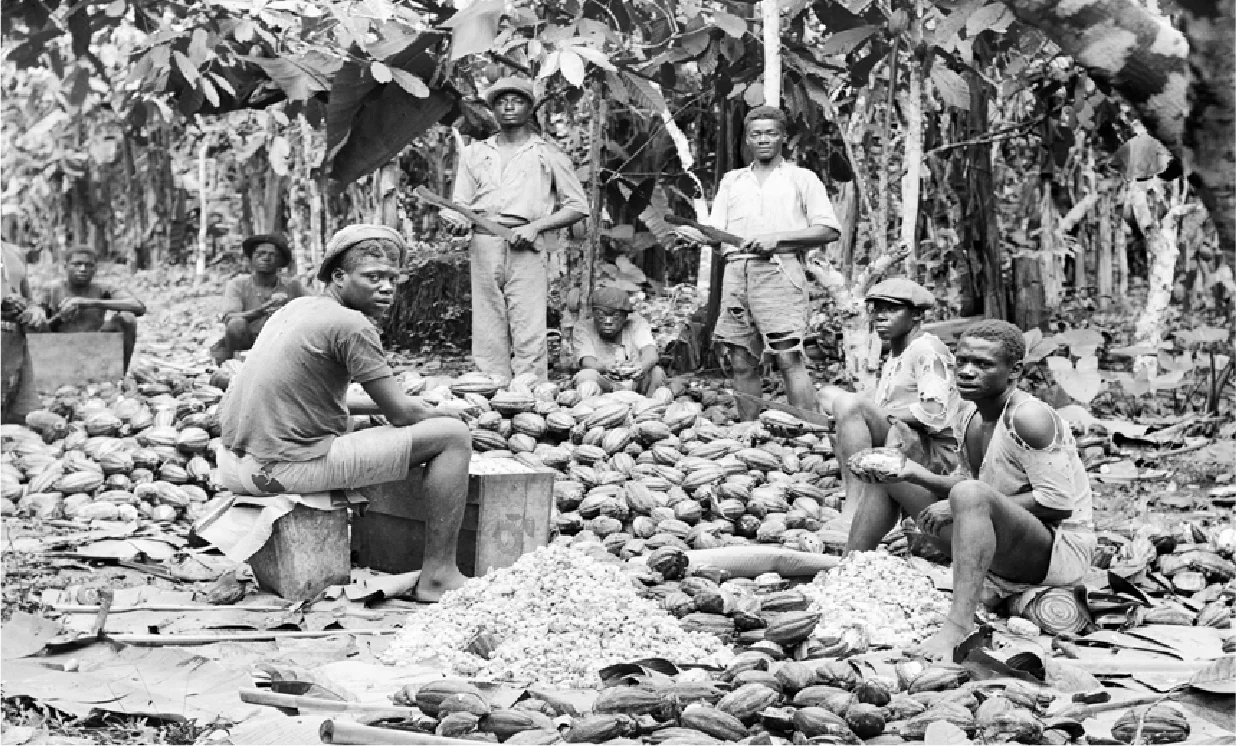
Early 17th Century: Racial Labour Hierarchies & Slavery
PAST: European colonial powers created racial hierarchies to justify slavery and indentured labour across their colonies. Enslaved Africans and indentured South Asians were treated as property, denied rights, and subjected to violence and control that sustained the empire’s wealth.
PRESENT: Traces of those hierarchies remain in class and racial discrimination today. Malaysian-Indian women, especially in the B40 group, face systemic bias, limited upward mobility, and continued devaluation of their labour; reflecting how colonial systems of exploitation have evolved, not disappeared.
Image credit: Social History Archive on Unsplash
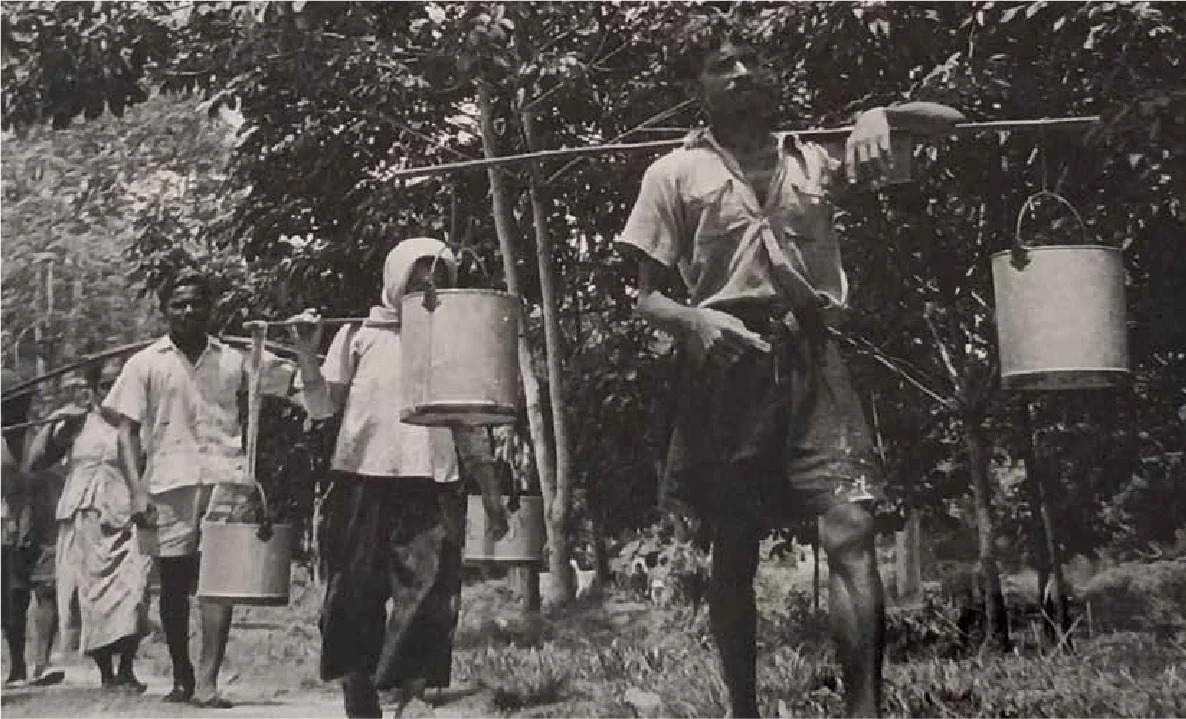
1842 – 1917: British Colonial Migration Policies
PAST: British colonial administrators recruited poor labourers from South Indian states to work in plantations, railways, and urban services in Malaya. Deployed to plantations, railways, and urban services, they endured harsh conditions with little freedom. Colonial policies entrenched racial labour hierarchies, positioning Indian workers at the bottom of the social and economic order to secure their exploitation as cheap, controlled labour for the empire.
PRESENT: Malaysian-Indian women in the B40 continue to be concentrated in low-wage, insecure work, often in service sectors with no social protection.
Image credit: Crown Copyright Reserved. Issued by the Central Office of Information, London
1957 to the Independence Era
PAST: Malaysia’s independence brought hopes of equality, but national development policies prioritised the Bumiputera population. Indian communities saw limited progress in education, land ownership, and political influence, leaving many still tied to low-income and insecure work.
PRESENT: Affirmative action policies remain uneven, with Malaysian Indians often excluded from targeted benefits. Many urban-poor Malaysian-Indian women face persistent cycles of poverty, limited access to housing and education, and systemic barriers that mirror post-independence exclusions.
Image Credit: Crown Copyright Reserved. Issued by the Central Office of Information, London
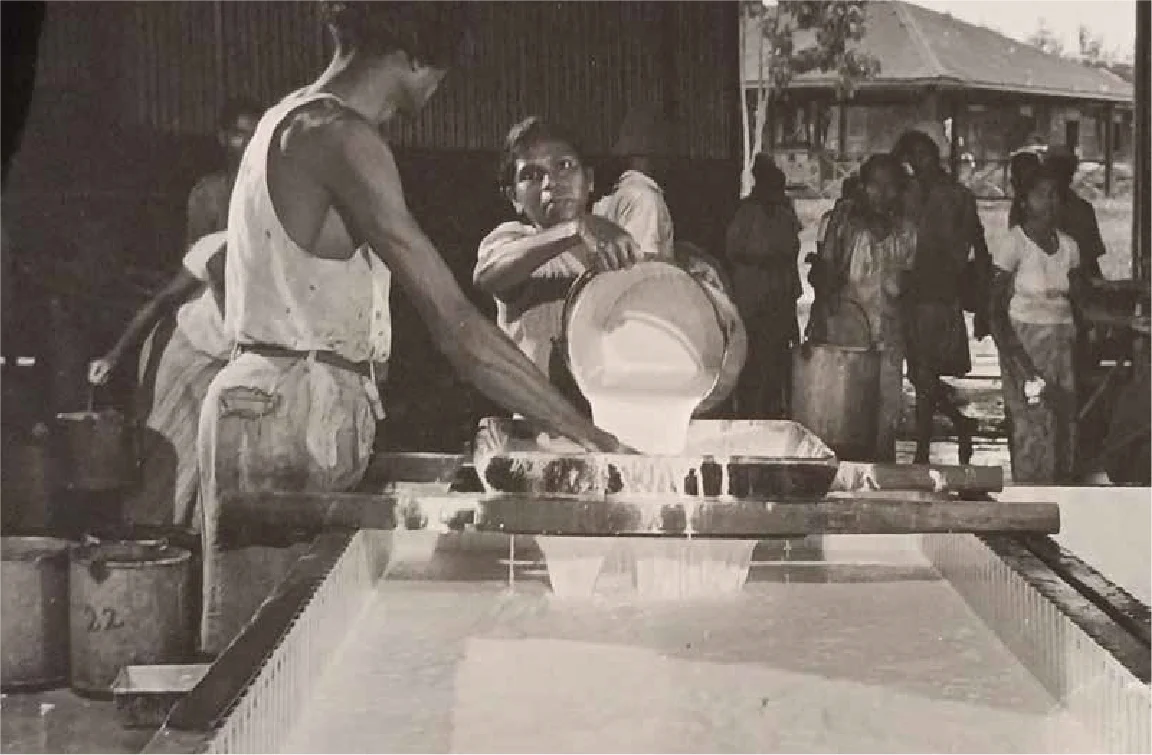
1970s – 1990s: Urban Migration and Housing Shifts
PAST: Past: Estate closures and mechanisation displaced many Indian families, forcing them into cities like Sentul, Brickfields, and parts of Penang. Housing was often overcrowded, poorly serviced, and insecure, mirroring their marginal position in the economy.
PRESENT: Urban-poor Malaysian-Indian women face gentrification, rising rents, and insecure tenure. Many live in low-cost flats with limited facilities, echoing the housing instability their parents experienced after leaving the estates.
Image Credit: Annie Spratt, Creative Commons
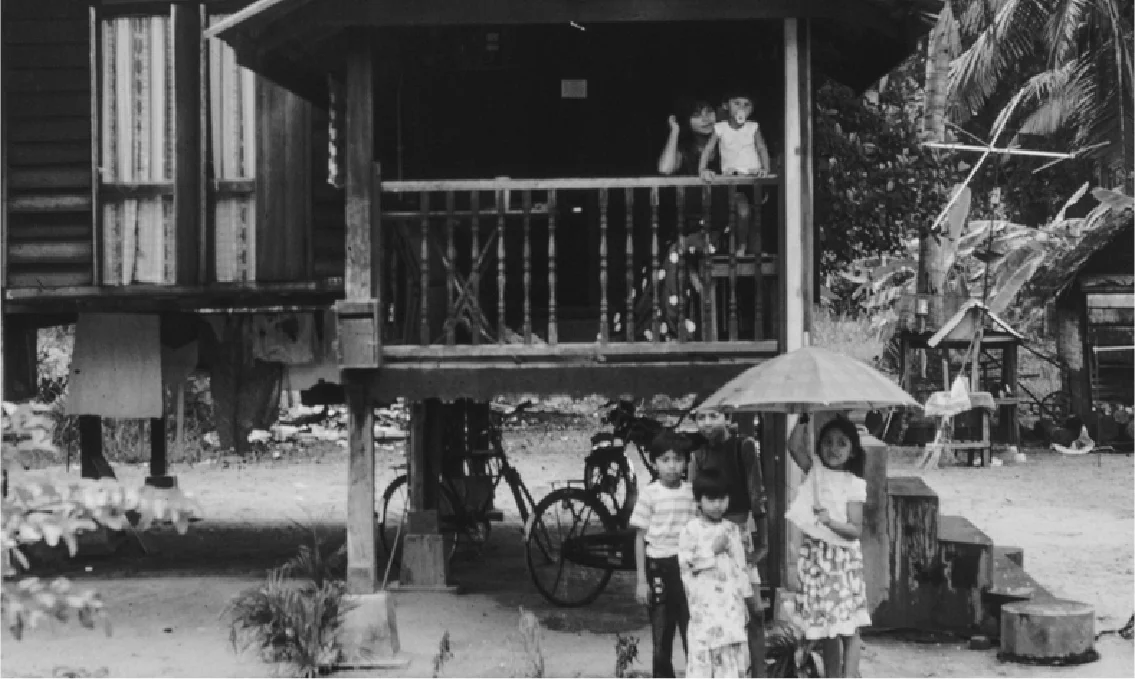
2015 – Present: Persistent Inequalities Today
PAST: Historical marginalisation of Malaysian Indians was left largely unaddressed. Limited targeted interventions failed to close education, housing, and income gaps, particularly for women.
PRESENT: UNDP’s 2023 SDG Investor Map highlights gender inequality as Malaysia’s second-most urgent challenge. Around 40% of Malaysian Indians remain in the lowest income bracket, with women in the B40 continuing to face exclusion from policy benefits, insecure work, and persistent structural barriers.
Image Credit: Crown Copyright Reserved. Issued by the Central Office of Information, London
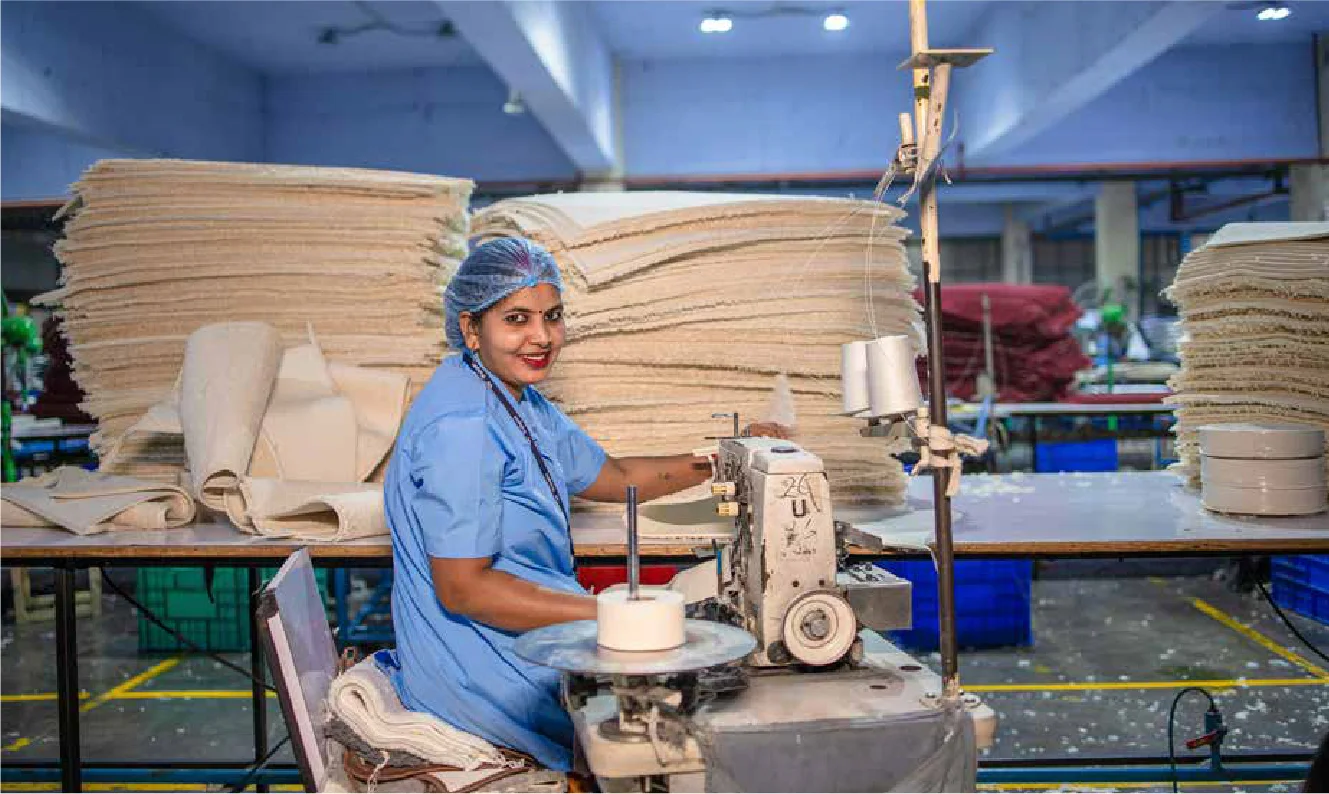
Colonial legacies are not just part of the past — they shape daily life today.
This section pairs historical photographs and records with present-day images and voices, revealing how much has changed, and how much remains the same.
Design Note: The Hand Motif
The hand is used as a visual anchor in this section. In Indian palm reading, the life line is often marked to signify different phases of a person’s life. Here, five dots are placed along the life line to symbolise five key historical periods, moving from colonial rule through to present-day Malaysia. This device bridges cultural symbolism with the timeline of Malaysian-Indian experiences, making the passage of time tangible and rooted in lived traditions.
The hand is used as a visual anchor in this section. In Indian palm reading, the life line is often marked to signify different phases of a person’s life. Here, five dots are placed along the life line to symbolise five key historical periods, moving from colonial rule through to present-day Malaysia. This device bridges cultural symbolism with the timeline of Malaysian-Indian experiences, making the passage of time tangible and rooted in lived traditions.
Early 17th Century: Racial Labour Hierarchies & Slavery
PAST: European colonial powers created racial hierarchies to justify slavery and indentured labour across their colonies. Enslaved Africans and indentured South Asians were treated as property, denied rights, and subjected to violence and control that sustained the empire’s wealth.
PRESENT: Traces of those hierarchies remain in class and racial discrimination today. Malaysian-Indian women, especially in the B40 group, face systemic bias, limited upward mobility, and continued devaluation of their labour; reflecting how colonial systems of exploitation have evolved, not disappeared.
Image credit: Social History Archive on Unsplash
1842 – 1917: British Colonial Migration Policies
PAST: British colonial administrators recruited poor labourers from South Indian states to work in plantations, railways, and urban services in Malaya. Deployed to plantations, railways, and urban services, they endured harsh conditions with little freedom. Colonial policies entrenched racial labour hierarchies, positioning Indian workers at the bottom of the social and economic order to secure their exploitation as cheap, controlled labour for the empire.
PRESENT: Malaysian-Indian women in the B40 continue to be concentrated in low-wage, insecure work, often in service sectors with no social protection.
Image credit: Crown Copyright Reserved. Issued by the Central Office of Information, London
1957 to the Independence Era
PAST: Malaysia’s independence brought hopes of equality, but national development policies prioritised the Bumiputera population. Indian communities saw limited progress in education, land ownership, and political influence, leaving many still tied to low-income and insecure work.
PRESENT: Affirmative action policies remain uneven, with Malaysian Indians often excluded from targeted benefits. Many urban-poor Malaysian-Indian women face persistent cycles of poverty, limited access to housing and education, and systemic barriers that mirror post-independence exclusions.
Image Credit: Crown Copyright Reserved. Issued by the Central Office of Information, London
1970s – 1990s: Urban Migration and Housing Shifts
PAST: Past: Estate closures and mechanisation displaced many Indian families, forcing them into cities like Sentul, Brickfields, and parts of Penang. Housing was often overcrowded, poorly serviced, and insecure, mirroring their marginal position in the economy.
PRESENT: Urban-poor Malaysian-Indian women face gentrification, rising rents, and insecure tenure. Many live in low-cost flats with limited facilities, echoing the housing instability their parents experienced after leaving the estates.
Image Credit: Annie Spratt, Creative Commons
2015 – Present: Persistent Inequalities Today
PAST: Historical marginalisation of Malaysian Indians was left largely unaddressed. Limited targeted interventions failed to close education, housing, and income gaps, particularly for women.
PRESENT: UNDP’s 2023 SDG Investor Map highlights gender inequality as Malaysia’s second-most urgent challenge. Around 40% of Malaysian Indians remain in the lowest income bracket, with women in the B40 continuing to face exclusion from policy benefits, insecure work, and persistent structural barriers.
Image Credit: Crown Copyright Reserved. Issued by the Central Office of Information, London
Post-independence Malaysian society saw the exacerbation of conditions for Malaysian Indians as focus was placed on developing the Bumiputera population (Reddy & Selvanathan, 2019). As reported by Yayasan Pemulihan Social (YPS), the social welfare arm of the Malaysian Indian Congress, a sizeable 40% of the 2.6 million Indians living in the nation are reportedly stuck at the very bottom of the income distribution (Malay Mail, 2015).
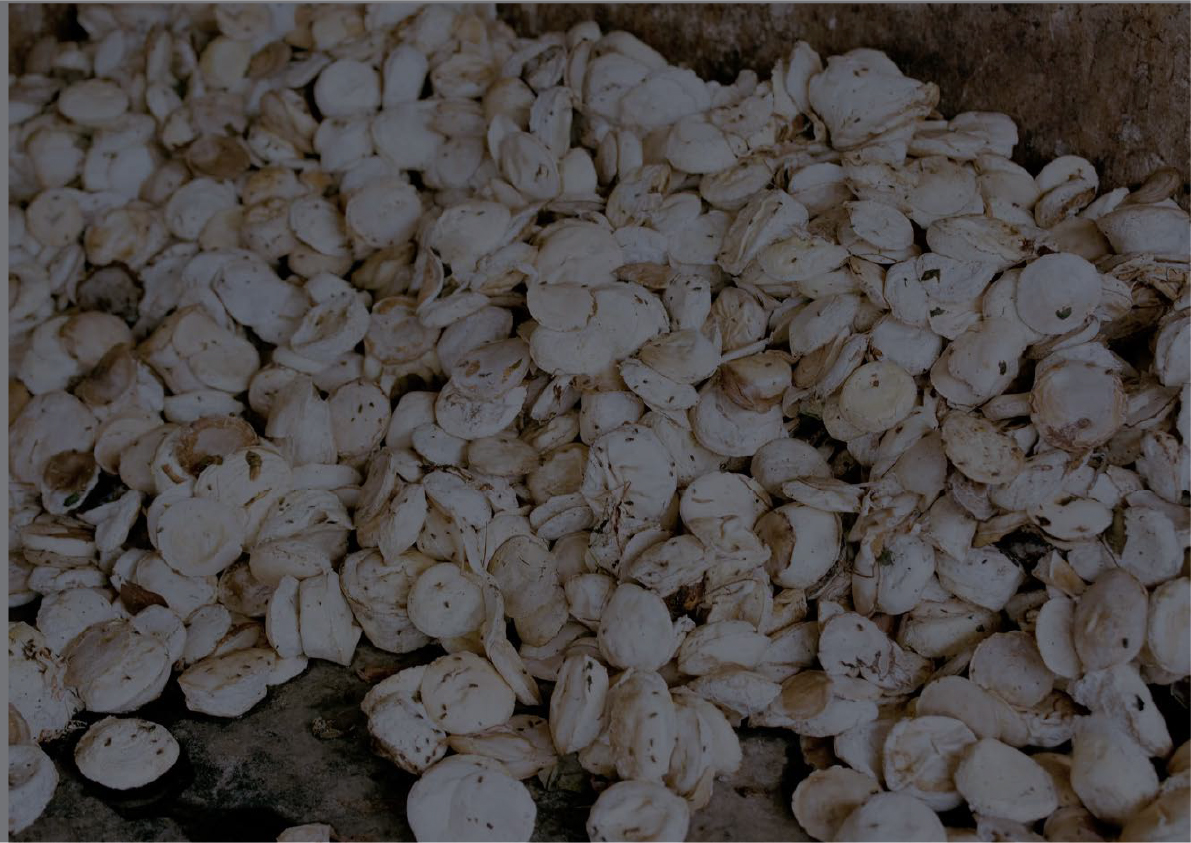
Background Photo by Mogan Selvakannu
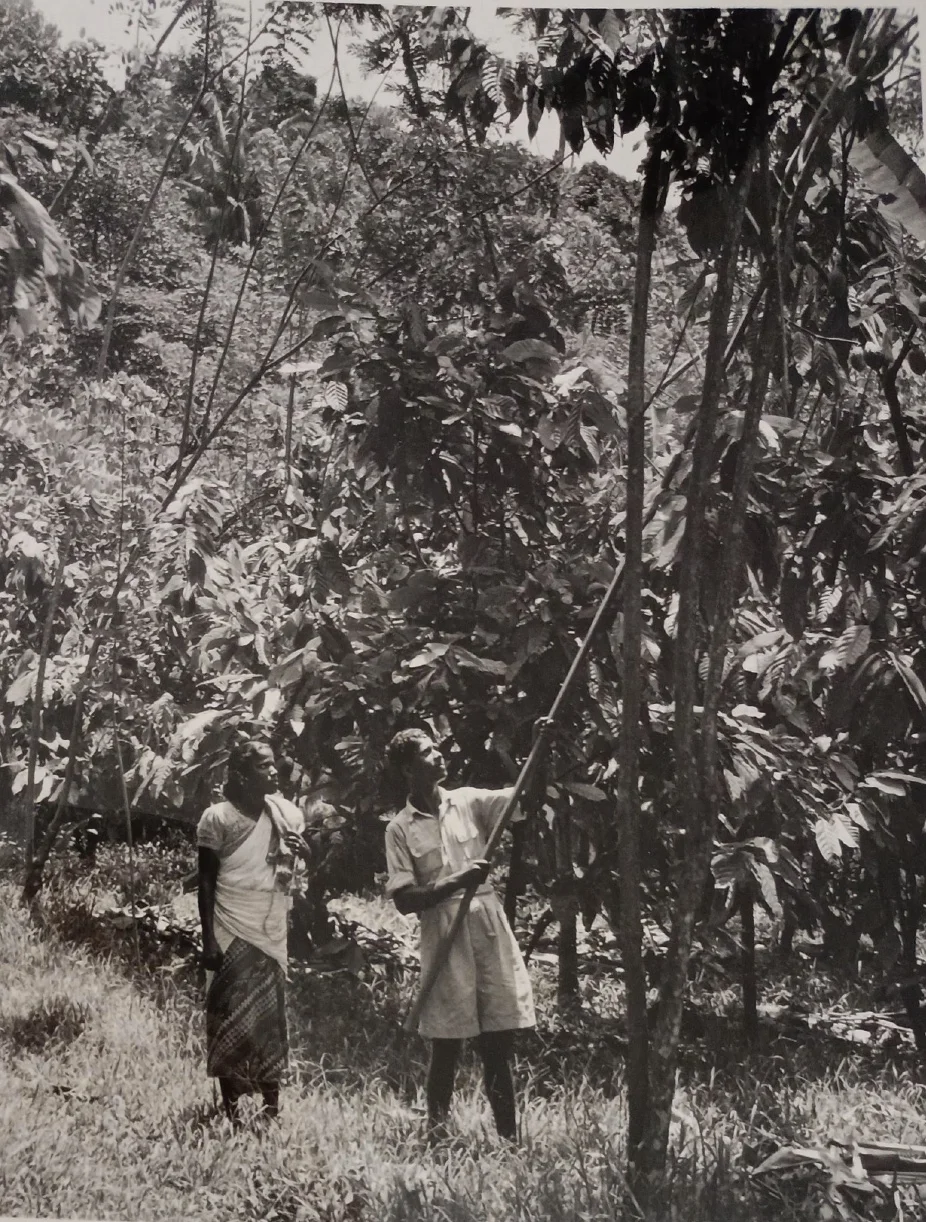
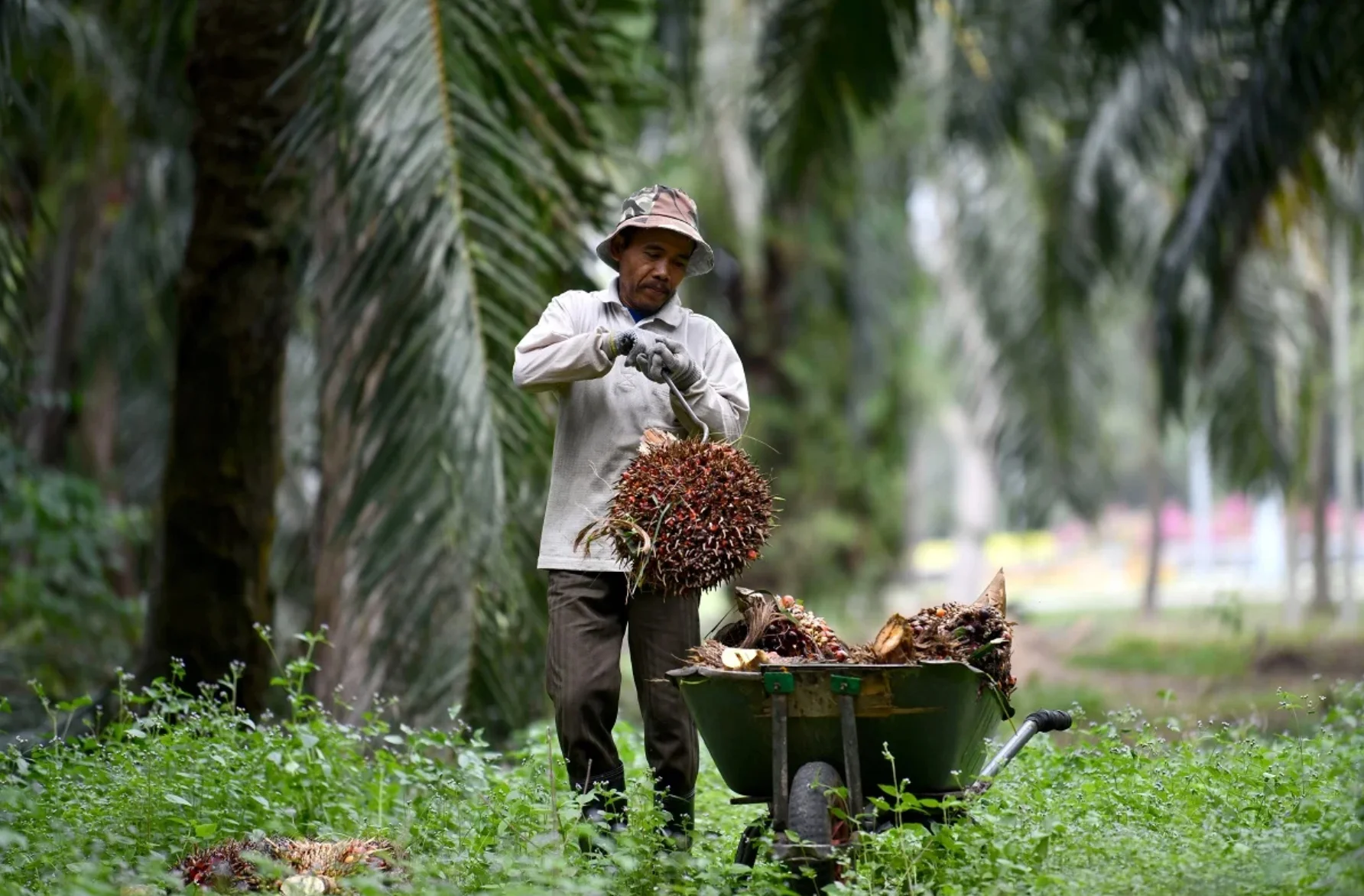
From Tamil labourers harvesting cocoa pods under colonial rule to today’s migrant workers on palm oil plantations — the faces change, but the structures of exploitation remain.
Credit left image: Tamil labourers – Crown Copyright Reserved.
Issued by the Central Office of Information, London.
Credit right image: Migrant labourer in palm oil –
photo by Mohd Suhaimi Mohamed Yusuf/The Edge)
Issued by the Central Office of Information, London.
Credit right image: Migrant labourer in palm oil –
photo by Mohd Suhaimi Mohamed Yusuf/The Edge)
62%
of Indians feel discriminated,
only 28% feel fairly treated
62%
of Malaysian Indian children move upwards in their class position, compared to Malaysian Chinese Children (around 89%) and Bumiputera children (around 73%)
227,600
Indian B40 households earn RM2,672/month
40%
of the 2.6 million Indians
are stuck at the bottom of
the income distribution
Background Photo by Mogan Selvakannu
From Tamil labourers harvesting cocoa pods under colonial rule to today’s migrant workers on palm oil plantations — the faces change, but the structures of exploitation remain.
Credit left image: Tamil labourers – Crown Copyright Reserved.
Issued by the Central Office of Information, London.
Credit right image: Migrant labourer in palm oil –
photo by Mohd Suhaimi Mohamed Yusuf/The Edge)
Issued by the Central Office of Information, London.
Credit right image: Migrant labourer in palm oil –
photo by Mohd Suhaimi Mohamed Yusuf/The Edge)
62%
of Indians feel discriminated,
only 28% feel fairly treated
62%
of Malaysian Indian children move upwards in their class position, compared to Malaysian Chinese Children (around 89%) and Bumiputera children (around 73%)
227,600
Indian B40 households earn RM2,672/month
40%
of the 2.6 million Indians
are stuck at the bottom of
the income distribution